Refugee PR Card Processing Time In Canada 2027: Quebec And Outside Canada Timeline Explained
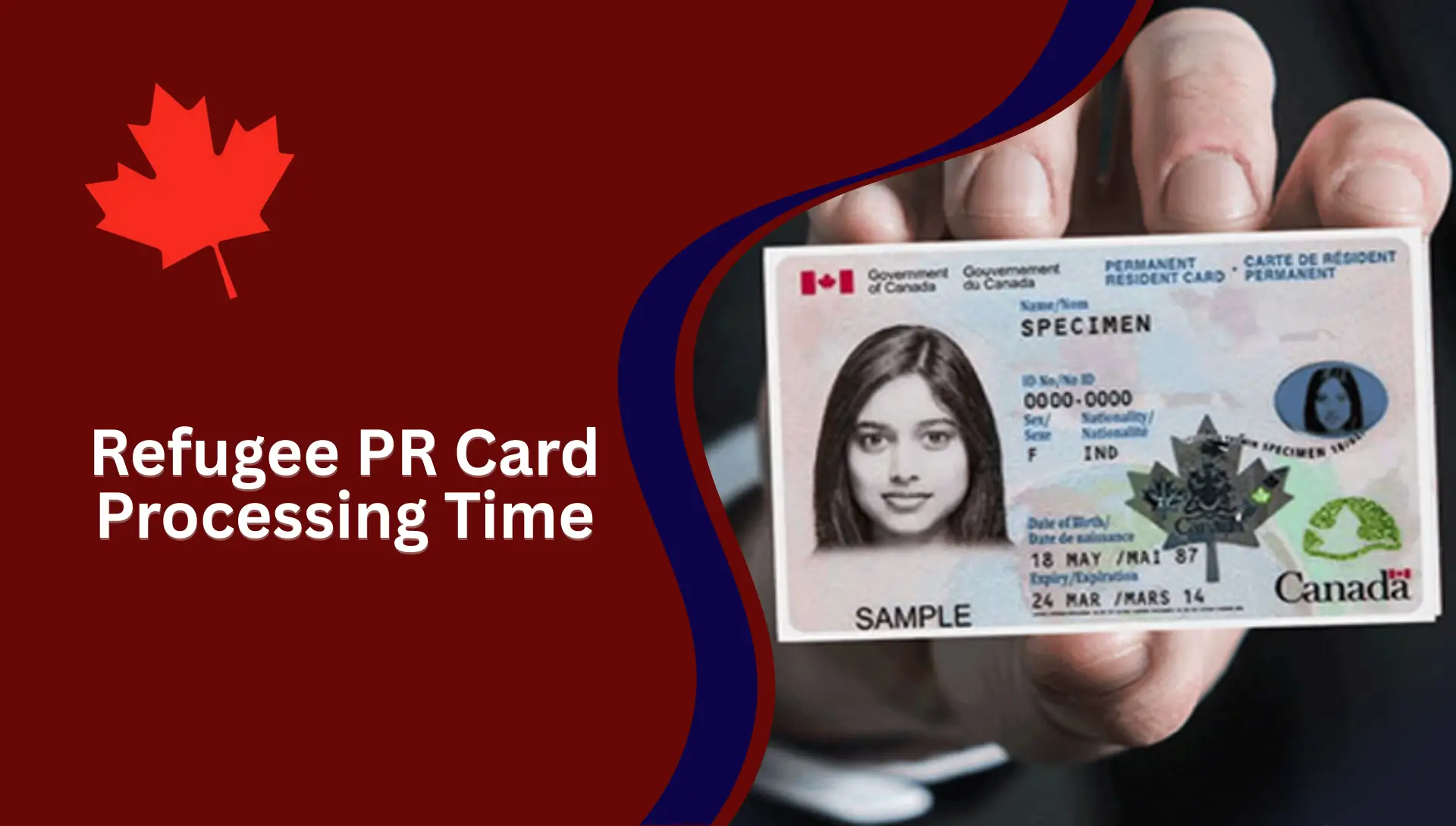
Refugee PR Card Processing Time. Canada is one of the safest countries for refugees, but the process is long and confusing. Many people want to know the Canada refugee PR card processing time, especially those waiting in Quebec or applying as government-assisted or privately sponsored refugees. Others want clear guidance on how to apply for refugee status in Canada from outside the country.
Processing times are not fixed and depend on the refugee program, province, and the number of people already in line. In Quebec, cases usually take longer due to extra provincial approval, while applications outside Quebec move faster.
This complete guide explains refugee PR processing times, current waiting periods, application steps, and what happens after approval so refugees can easily understand the system.
What Is a Refugee PR Card in Canada?
A Permanent Resident (PR) card is proof that you are a permanent resident of Canada. For refugees, the PR card allows you to:
- Live anywhere in Canada
- Work legally
- Access healthcare
- Travel outside Canada and return
- Apply for citizenship later
Refugees receive PR status after approval. The PR card is issued after landing in Canada or after in-Canada approval.

Who Is Considered a Refugee in Canada?
Canada protects people who cannot return to their home country because of danger. You may qualify if you face:
- Fear of persecution
- Risk of torture
- Threat to life
- Cruel or unfair punishment
Canada recognizes refugees under different programs.
Types of Refugee Programs in Canada
Canada has three main refugee pathways:
1. Government-Assisted Refugees (GAR)
- Supported by the Canadian government
- Referred by UNHCR or approved organizations
- Receive help with housing and living costs
2. Privately Sponsored Refugees (PSR)
- Sponsored by private groups
- Sponsors help financially and emotionally
- Includes Group of Five and community sponsors
3. Protected Persons Inside Canada
- People who claim asylum inside Canada
- Includes border claims and inland claims
Each program has different processing times.
Canada Refugee PR Card Processing Time
Refugee processing time is not fixed. It depends on:
- Refugee program
- Location (Quebec or outside Quebec)
- Number of people waiting
- Security and background checks
Canada updates processing times weekly or monthly.

Government-Assisted Refugees Processing Time (Canada)
This does not mean applications are stopped. It means Canada does not have enough completed cases to show an average time. Important points:
- Processing times are not guaranteed
- Your case may take longer
- Do not submit a new application
- Canada contacts you if documents are missing
After approval, extra time may be needed for:
- Exit permits
- Travel documents
- Medical checks
Privately Sponsored Refugees Processing Time (Canada)
Privately sponsored refugee cases have two steps.
Step 1: Sponsorship Application
- Processing time: Not enough data
- Updated weekly
This step checks:
- Sponsor eligibility
- Financial capacity
- Group approval
Step 2: Refugee Application
Processing time: Not enough data
This step checks:
- Refugee identity
- Security
- Medical status
Sponsors include:
- Group of Five members
- Community sponsors
- Sponsorship Agreement Holders
Again, travel may take extra weeks after approval.
Refugee PR Card Processing Time in Quebec
Quebec follows a separate immigration system due to the Canada–Quebec Accord.
If you plan to live in Quebec, both Canada and Quebec must approve your case.
This increases processing time.
Refugee Processing Time in Quebec (Inside Canada)
For protected persons and convention refugees in Quebec:
- Estimated time left: 48 months
- Updated weekly
Why It Takes Longer in Quebec
- Quebec reviews cases separately
- Limited annual quotas
- High number of applications
Current queue data:
- About 24,700 people ahead of you
- Around 55,900 total applicants waiting
- New applications may take 108 months
Processing times can increase if applications exceed yearly limits.

Refugee Processing Time Outside Quebec
If you live outside Quebec, processing is faster.
For protected persons outside Quebec:
- Estimated time left: 25 months
- Updated weekly
Queue information:
- About 35,500 people ahead
- Around 145,600 total applicants
- New cases may take 103 months
Even though numbers are high, older applications move first.
Dependents of Protected Persons Processing Time
If you applied as a dependent of a protected person:
- Processing time: 51 months
- Updated weekly
Dependents include:
- Spouse
- Children
- Family members included in the file
Delays may occur due to background checks and travel documents.
Why Refugee PR Processing Takes So Long
Many people ask why refugee cases take years. There are real reasons.
High Demand
Canada receives applications from all over the world.
Security Checks
Every refugee case goes through strict checks.
Medical Reviews
Health exams are mandatory.
Immigration Levels Plan
Canada sets yearly limits. If applications exceed limits, delays happen.
Country Conditions
Exit permits and travel may be delayed due to local issues.
How to Apply for Refugee Status in Canada From Outside
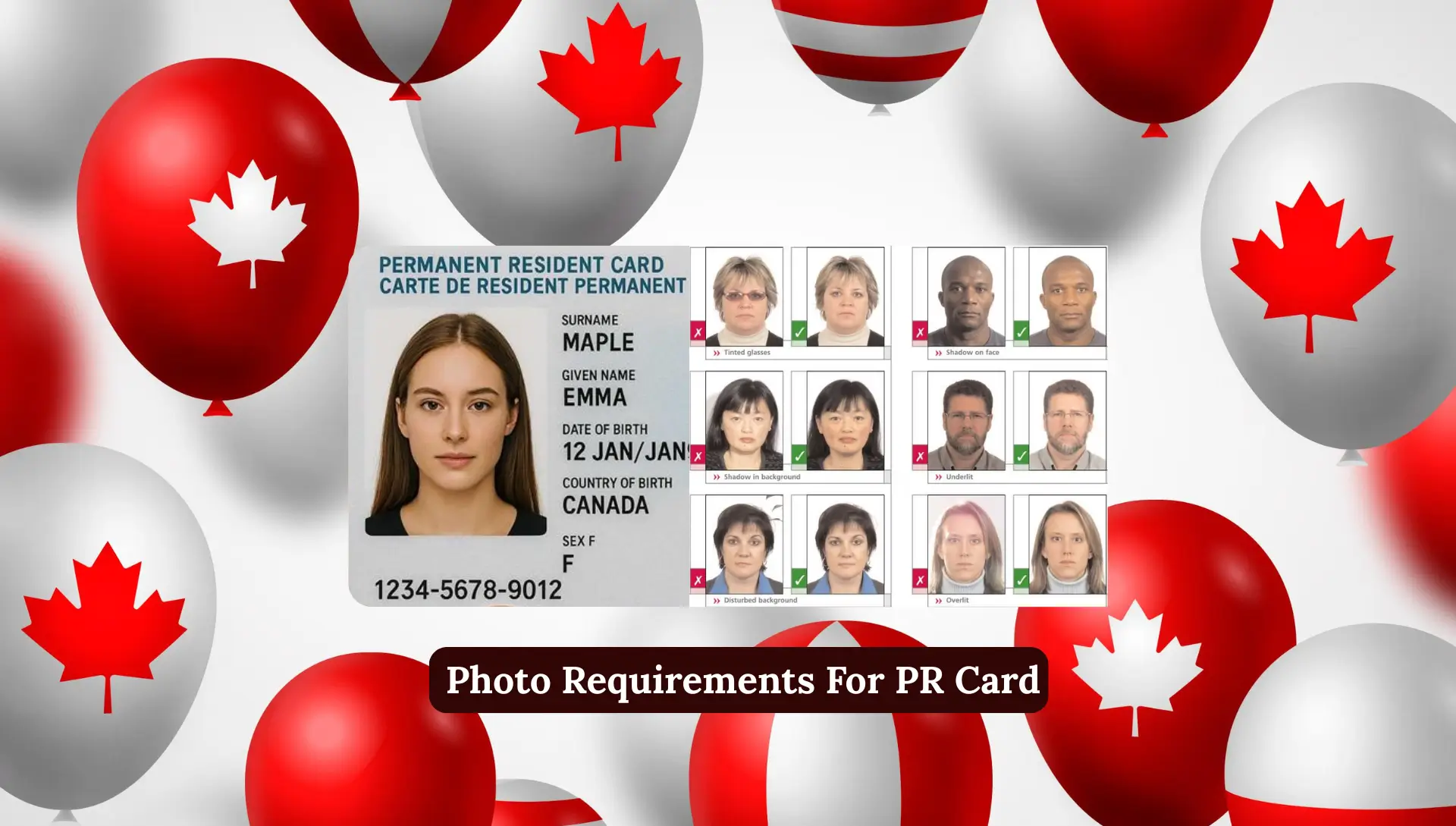
You cannot apply directly as a refugee from outside Canada without referral. Here is the correct process.
Refugee Resettlement From Outside Canada
This program is for people outside Canada. You must be referred by:
- United Nations Refugee Agency (UNHCR)
- A designated referral organization
- A private sponsor
Without referral, applications are not accepted.
Steps to Apply as a Refugee From Outside Canada
Follow some of these steps:
Step 1: Get Recognized as a Refugee
You must first be registered with UNHCR or a recognized agency.
Step 2: Referral to Canada
UNHCR or a sponsor refers your case to Canada.
Step 3: Sponsorship Approval
Canada reviews the sponsor or government support.
Step 4: Refugee Application Processing
Canada checks:
- Identity
- Background
- Medical records
Step 5: Visa and Travel Documents
Once approved:
- Visa issued
- Exit permit arranged
- Travel booked
How Long Does It Take to Arrive in Canada After Approval?
After sponsorship approval, arrival usually takes up to 4 months. The process includes:
- Sponsorship processing: 1 week
- Visa and exit permits: up to 8 weeks
- Travel arrangements: 3 to 6 weeks
Delays may occur due to local conditions.
Claiming Refugee Protection Inside Canada
You can also apply inside Canada.
Claiming Asylum at the Border
You may apply at:
- Airport
- Seaport
- Land border
This is considered inside Canada.

Claiming Asylum From Inside Canada
If you are already in Canada, you may file a claim online or through authorities.
Difference Between Refugee Claim and PR Card
Many people confuse these two.
- Refugee claim: Asking for protection
- PR card: Proof after approval
You must be approved first before PR processing starts.
How to Check Your Refugee Application Status
Canada offers online tools. Important points:
- Do not send a new application
- Waiting longer means you are closer
- Canada contacts you if needed
- You usually do not need to take action
Check status based on your program type.
Can Refugee Processing Time Increase?
Yes. Processing time may increase due to:
- More applications than available spaces
- Security concerns
- Policy changes
- Country instability
Canada updates timelines regularly.
Common Mistakes Refugees Should Avoid
I see the same mistakes again and again.
Submitting Multiple Applications
This does not help. It slows the system.
Incomplete Documents
Missing forms delay processing for months.
Wrong Province Selection
Quebec has different rules. Choose carefully.

Not Updating Contact Details
Missed emails cause serious delays.
Tips to Avoid Delays in Refugee PR Processing
Follow these tips carefully.
- Submit correct documents
- Attend medical exams on time
- Respond quickly to requests
- Keep contact details updated
- Avoid submitting duplicate applications
Mistakes can add months or years.
Life After Getting Refugee PR in Canada
Once you receive PR status, you can:
- Work legally
- Study
- Access healthcare
- Apply for social services
- Travel with PR card
After meeting residency rules, you may apply for citizenship.
FAQs About Refugee PR Processing
Is processing time guaranteed?
No. It is only an estimate.
Does Quebec take longer?
Yes. Quebec has its own process.
Can I speed up my case?
No official fast-track exists.
Will Canada contact me?
Yes, if more information is needed.
Conclusion
Canada’s refugee PR process takes time because every case goes through careful checks. Processing time depends on the refugee program, location, and yearly limits. Quebec cases usually take longer due to extra approval steps. Government-assisted, privately sponsored, and protected persons all follow different timelines. Refugees outside Canada must be referred by approved organizations. After approval, travel may still take a few months. Patience and complete documents are key to moving forward safely and successfully.