Japan Visa From Canada 2027: Complete Guide To Fees, Requirements, Processing Time And Application Process
Japan Visa From Canada 2027. Planning a trip to Japan from Canada? Whether you are visiting for tourism, business, study, work, or to meet family, understanding the latest Japan visa requirements is the first step toward a smooth journey.
The good news is that Canadian citizens do not need a visa for short tourist or business visits of up to 90 days. However, foreign nationals living in Canada may still need a visa depending on their nationality and the purpose of travel. If you plan to stay longer than 90 days, work, study, or move to Japan, you must apply for the appropriate visa before traveling.
This guide explains everything you need to know about the Japan Visa From Canada in simple way including visa types, eligibility, required documents, application procedures, and important travel information for 2027.
Do You Need a Japan Visa From Canada?
The answer depends on your nationality, your immigration status in Canada, and why you are traveling to Japan.
You do not need a visa if:
- You are a Canadian citizen.
- Your visit is for tourism or short-term business.
- Your stay is 90 days or less.
- You are not planning to work or earn money in Japan.
You need a visa if:
- You are a foreign national living in Canada whose nationality requires a visa.
- You plan to stay in Japan for more than 90 days.
- You will work, study, or live in Japan.
- You are joining family members or participating in long-term activities.
Always check the latest requirements based on your nationality before submitting your application.
Japan Visa Types
Japan offers different visa categories depending on your travel purpose.
| Visa Type | Purpose |
|---|---|
| Temporary Visitor Visa | Tourism, holidays, visiting friends or relatives, business meetings |
| Employment and Work Visa | Working in Japan with an approved employer |
| Working Holiday Visa | Cultural exchange and temporary work for eligible countries |
| General Visa | Long-term stay for approved activities |
| Student Visa | Full-time education in Japan |
| Spouse or Child of Japanese National | Family reunification |
| Medical Stay Visa | Medical treatment in Japan |
| Designated Activities Visa | Long-term sightseeing and special approved activities |
| Highly Skilled Professional Visa | Skilled professionals with advanced qualifications |
| Multiple Entry Visa | Multiple approved visits during the visa validity period |
Every visa has different document requirements and approval conditions.
Visa-Free Entry for Canadian Citizens
One of the biggest benefits for Canadian passport holders is visa-free travel.
Canadian citizens can:
- Stay in Japan for up to 90 consecutive days
- Visit for tourism
- Attend business meetings
- Visit friends and relatives
- Enjoy sightseeing
- Participate in unpaid business activities
Canadian travelers must have:
- A valid Canadian passport
- Return or onward travel ticket
- Sufficient financial resources
- A genuine purpose of travel
Although Japan does not require a minimum passport validity period, your passport should remain valid for your entire stay.
Remember that visa-free entry does not allow paid employment in Japan.
When Is a Japan Visa Required?
A visa becomes mandatory if your travel plans fall outside the visa-free rules.
Examples include:
- Working in Japan
- Studying at a Japanese school or university
- Staying longer than 90 days
- Paid internships
- Employment with Japanese companies
- Long-term family residence
- Religious or cultural activities requiring long stays
Many long-term visa applicants also need a Certificate of Eligibility (COE) before applying.
Japan Visa Eligibility Requirements
To receive a Japanese visa, applicants generally need to satisfy several conditions.
Basic Eligibility
Applicants should:
- Hold a valid passport
- Be legally allowed to return to Canada or their home country
- Submit genuine and complete documents
- Meet the conditions of the requested visa category
- Follow Japanese immigration laws
- Have a clear travel purpose
Providing false information or incomplete documents may delay or affect your application.
Required Documents for Japan Visa From Canada
The required documents depend on your visa type. However, most applicants should prepare the following.
| Document | Required |
| Valid Passport | Yes |
| Completed Visa Application Form | Yes |
| Recent Passport Photos | Yes |
| Travel Itinerary | Yes |
| Flight Reservation | Usually Required |
| Hotel Booking | Usually Required |
| Proof of Financial Support | Yes |
| Employment or Student Letter | If Applicable |
| Invitation Letter | If Visiting Someone |
| Certificate of Eligibility (COE) | Long-Term Visas |
| Additional Supporting Documents | Depending on Visa Type |
The Embassy or Consulate may ask for extra documents if needed.
Important Rules Before Applying
Before submitting your application, keep these important points in mind.
- Visa applications cannot normally be submitted after arriving in Japan.
- Every document should be complete and accurate.
- Processing may take longer if additional documents are requested.
- Having a visa does not automatically guarantee entry into Japan.
- Final entry permission is decided by immigration officers at the airport or port of arrival.
- Applicants should avoid using unofficial websites or responding to fraudulent emails asking for visa payments.
Preparing your documents carefully and following the official instructions can help make the application process smoother.
Japan Visa Online Application Process
Applying for a Japan visa from Canada is simple when you prepare your documents carefully. The exact process may vary depending on your visa type and the Japanese Embassy or Consulate responsible for your area, but the overall steps remain almost the same.
Step 1: Determine Your Visa Type
Before filling out any forms, decide which visa matches your travel purpose. Examples include:
- Tourist Visa
- Business Visa
- Student Visa
- Work Visa
- Medical Stay Visa
- Working Holiday Visa
- Family Visit Visa
- Long-Term Residence Visa
Applying for the wrong visa category may delay your application or result in rejection.
Step 2: Prepare All Required Documents
Gather every required document before submitting your application. Your document checklist may include:
- Valid passport
- Completed visa application form
- Passport-size photograph
- Travel itinerary
- Flight reservation
- Hotel booking (if applicable)
- Bank statements
- Employment or enrollment letter
- Invitation letter (if required)
- Certificate of Eligibility (COE) for long-term visas
- Additional documents requested by the Japanese Embassy or Consulate
Double-check all information before submission. Missing documents are one of the most common reasons for delays.
Step 3: Submit Your Application
Once your documents are ready, submit your application through the method accepted by the Japanese Embassy or Consulate responsible for your province. Depending on your visa type, applications may be submitted through:
- The Japanese Embassy or Consulate
- An accredited visa application agency
- The Japan Visa Application Centre
- The official JAPAN eVISA system (for eligible applicants)
Applications cannot normally be submitted after arriving in Japan.
Step 4: Attend an Appointment (If Required)
Some applicants may need to visit the Embassy or Consulate in person. During your appointment, officials may:
- Verify your documents
- Confirm your travel plans
- Ask questions about your visit
- Request additional supporting documents
Not every applicant will be asked to attend an interview, but you should be prepared if requested.

Step 5: Wait for Processing
Once your application has been submitted, it enters the review process.
In many cases, visa processing takes about one week, provided all required documents have been submitted correctly. Processing may take longer if:
- Additional documents are requested.
- The Embassy needs further verification.
- The Ministry of Foreign Affairs in Tokyo must review the application.
Avoid making non-refundable travel arrangements until your visa decision has been issued.
Japan eVISA for Canadian Residents
Japan has expanded its electronic visa system for eligible applicants.
People legally residing in Canada who require a short-term tourist visa may be able to apply online through the JAPAN eVISA system instead of submitting a traditional paper application.
Benefits of Japan eVISA
- Online application process
- No paper visa sticker for eligible cases
- Faster document submission
- Convenient tracking
- Reduced paperwork
Keep in mind that eVISA eligibility depends on your nationality and travel purpose.
Who Can Apply for Japan eVISA?
Foreign nationals who:
- Live in Canada
- Need a short-term tourist visa
- Meet the eligibility requirements set by Japanese authorities
Canadian citizens generally do not need a tourist visa for stays of up to 90 days, so the eVISA system mainly benefits foreign nationals residing in Canada who require a visa.
Important Rules for eVISA Travelers
Travelers using Japan eVISA should remember:
- The eVISA is mainly available for single-entry tourism.
- Entry must be made by approved air or sea routes.
- Immigration officers will check your electronic visa.
- Screenshots or printed copies of the visa issuance notice may not be accepted if online verification is required.
Always review the latest travel instructions before departure.
Certificate of Eligibility (COE)
If you plan to work, study, or live in Japan for an extended period, you will usually need a Certificate of Eligibility (COE) before applying for your visa.
The COE is issued in Japan and confirms that you meet the requirements for your intended status of residence. It is commonly required for:
- Work visas
- Student visas
- Family visas
- Long-term residence visas
Having a COE can help simplify the visa application process, but it does not guarantee visa approval.
Japan Visa Processing Time
Processing time depends on the visa type and your individual circumstances.
| Visa Type | Estimated Processing Time |
|---|---|
| Tourist Visa | Around 1 week |
| Business Visa | Around 1 week |
| Student Visa | Several weeks |
| Work Visa | Several weeks |
| Long-Term Visa | Varies depending on COE and review |
Applications requiring additional review may take longer than expected.
Submitting complete and accurate documents can help avoid unnecessary delays.

Japan Visa Fees
Japan updated its visa fees for applications accepted from July 1, 2026. The approximate fees are:
| Visa Type | Approximate Fee |
| Single-Entry Visa | Around 15,000 Japanese Yen |
| Multiple-Entry Visa | Around 30,000 Japanese Yen |
Important Notes
- Fees are usually paid in the local currency where you apply.
- Some applicants may qualify for fee exemptions.
- If your visa application is refused, the visa fee is generally not charged.
- If you apply through an accredited agency, an additional service fee may apply.
Always check the latest fee schedule before submitting your application.
Appointment Requirements
Some visa categories require applicants to book an appointment before visiting the Embassy or Consulate. Appointments are commonly required for:
- Working Holiday Visa
- Work Visa
- Study Visa
- Visiting Friends or Family
- Business Visa
- Canadian Travel Document Holders
- Ship Travelers
- Double-Entry Visa
When requesting an appointment, applicants are usually asked to provide:
- Full name
- Purpose of travel
- Contact number
- Planned departure date
- Intended arrival date in Japan
Providing complete information can help speed up the appointment process.
Who Can Apply for a Japan Visa From Canada?
People living in Canada can apply for a Japan visa if they legally reside in Canada and meet the visa requirements.
Applicants may include:
- Permanent Residents of Canada
- Temporary Residents
- International Students
- Foreign Workers
- Refugee Travel Document Holders (where applicable)
- Other legal residents of Canada
Your application will usually be processed by the Japanese Embassy or the Consulate-General responsible for the province where you live.
Working Holiday Visa
The Working Holiday Visa allows eligible young people from participating countries to experience Japanese culture while working temporarily to support their stay. This visa is designed for:
- Cultural exchange
- Travel across Japan
- Temporary employment
- Learning about Japanese society
Eligibility requirements vary depending on nationality and bilateral agreements.
Medical Stay Visa
Japan also offers a Medical Stay Visa for people traveling to receive medical treatment. Applicants may need to provide:
- Medical documents
- Treatment schedule
- Financial evidence
- Hospital information
- Additional supporting documents requested by Japanese authorities
The permitted length of stay depends on the approved medical treatment.
Common Mistakes to Avoid
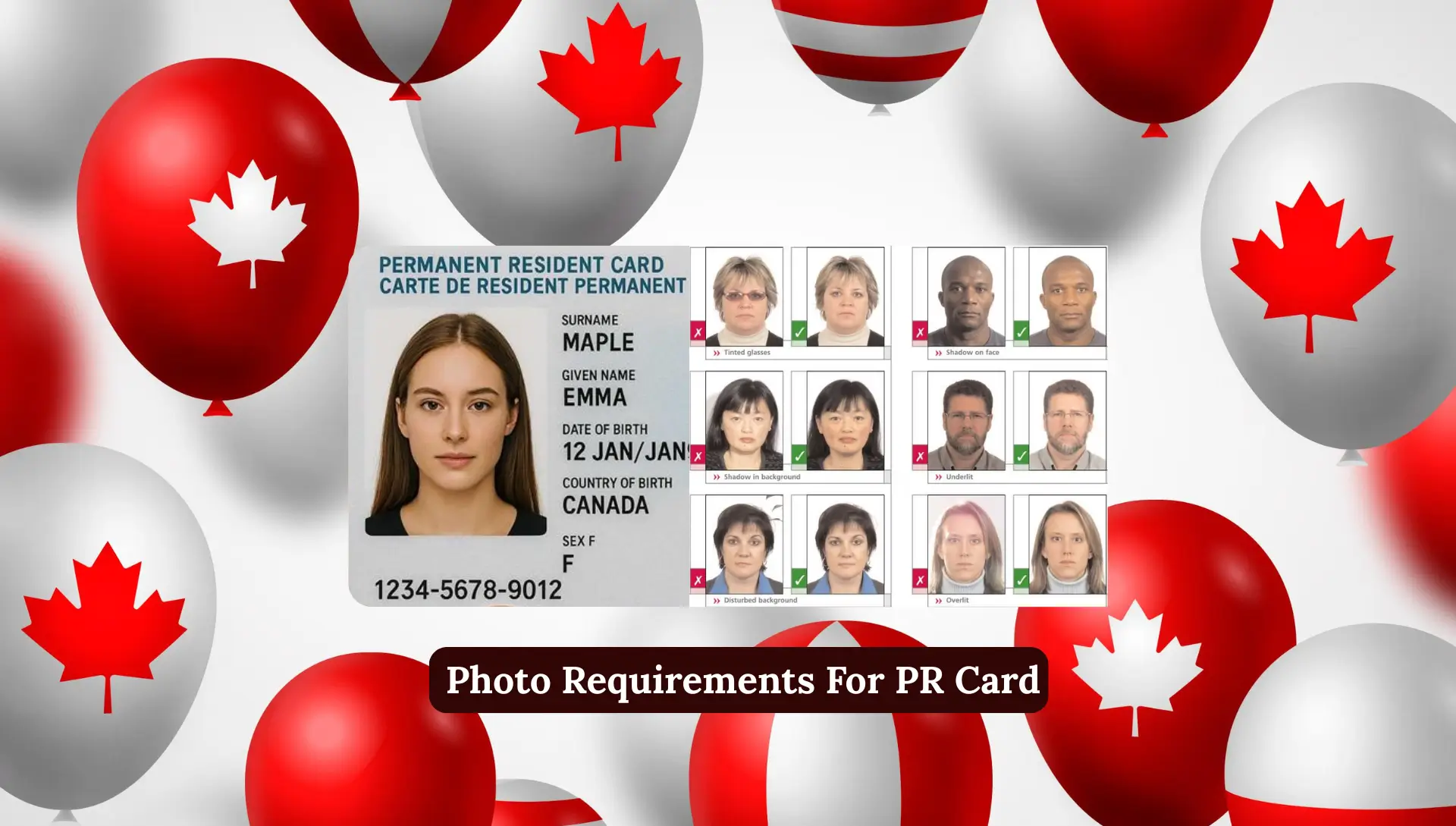
Many visa delays happen because of avoidable mistakes. Before submitting your application, avoid the following:
- Incomplete application forms
- Expired passport
- Missing financial documents
- Incorrect travel dates
- Poor-quality passport photos
- False or misleading information
- Applying under the wrong visa category
- Waiting until the last minute to apply
Review your application carefully before submission to improve your chances of a smooth process.
Reasons Why a Japan Visa Application May Be Refused
Although Japan has a straightforward visa process, approval is never guaranteed. Each application is reviewed individually based on the submitted documents and the applicant’s travel purpose. Some common reasons for visa refusal include:
- Incomplete or incorrect application form
- Missing required documents
- Invalid or damaged passport
- Insufficient proof of financial support
- Unclear travel purpose
- False or misleading information
- Failure to meet the visa requirements
- Immigration concerns based on previous travel history
If your application is refused, carefully review the reason (if provided) before submitting a new application.
Tips to Improve Your Visa Approval Chances
Following a few simple tips can increase the chances of a successful application.
Submit Complete Documents
Check every document before applying. Missing paperwork is one of the most common causes of delays.
Apply Early
Although many applications are processed within about one week, it is better to apply several weeks before your planned departure.
Show Financial Stability
Provide recent bank statements or other financial documents that clearly show you can support yourself during your stay in Japan.
Be Honest
Every detail in your application should be accurate and truthful. Never submit fake documents or incorrect information.
Choose the Correct Visa Category
Always apply for the visa that matches your travel purpose. Applying under the wrong category may result in rejection.
Is Travel Insurance Required?
Travel insurance is not always mandatory for entering Japan, but it is highly recommended. A good international travel insurance policy may cover:
- Emergency medical treatment
- Hospital expenses
- Trip cancellation
- Lost baggage
- Flight delays
- Personal accidents
Unexpected medical costs can be expensive, so having insurance offers extra peace of mind during your trip.
Can You Work in Japan With a Tourist Visa?
No. A tourist visa or visa-free entry does not allow you to work or earn income in Japan. If you plan to:
- Accept employment
- Receive payment from a Japanese employer
- Stay for long-term work
you must obtain the appropriate work visa before traveling.
Can You Extend Your Stay?

If you entered Japan under a visa-free stay or short-term visitor visa, extending your stay is generally not guaranteed.
Long-term residence usually requires applying for the correct visa before entering Japan.
If your circumstances change after arrival, consult the Immigration Services Agency of Japan for guidance.
Japan Visa Information Hotline
If you need general information about Japanese visas, you can contact the official Japan Visa Information Hotline.
Available Information
- General visa guidance
- Visa application process
- Required documents
- Appointment information
- General travel questions
Before contacting the hotline, be ready to provide:
- Your nationality
- Your current place of residence
- Your travel purpose
For questions related to a specific application, you should contact the Japanese Embassy or Consulate responsible for your province.
Japanese Embassy and Consulates in Canada
Japan has several diplomatic offices across Canada. Your application must be submitted according to your place of residence.
| Office | Area Covered |
| Embassy of Japan in Ottawa | Ottawa Region |
| Consulate-General of Japan in Vancouver | British Columbia and Yukon |
| Consulate-General of Japan in Calgary | Alberta, Saskatchewan, Manitoba, Northwest Territories and Nunavut |
| Consulate-General of Japan in Toronto | Ontario |
| Consulate-General of Japan in Montreal | Quebec, New Brunswick, Prince Edward Island, Nova Scotia, Newfoundland and Labrador |
Always contact the office responsible for your province before booking an appointment or submitting your application.
FAQs
Do Canadian citizens need a visa to visit Japan?
No, Canadian citizens do not need a visa for short-term visits to Japan that last up to 90 days. They can travel for tourism, sightseeing, visiting family or friends, or attending short-term business meetings without applying for a visa in advance. However, travelers must have a valid Canadian passport, meet Japan’s entry requirements, and may be asked to show proof of onward or return travel and sufficient funds for their stay.
Can foreign nationals living in Canada apply for a Japan visa?
Yes, foreign nationals who legally live in Canada can apply for a Japan visa if their nationality requires one. Applications must be submitted through the Japanese Embassy or the Consulate-General that has jurisdiction over the applicant’s province or territory. Applicants should prepare all required documents and ensure they meet the eligibility requirements for their chosen visa category.
How long does it take to process a Japan visa?
Japan visa processing usually takes about one week after all required documents have been submitted. However, the processing time may be longer if the Embassy or Consulate requests additional documents or if the application requires further review by the Ministry of Foreign Affairs in Japan. To avoid delays, it is recommended to apply several weeks before your planned departure date.
What is the Japan eVISA?
The Japan eVISA is an online visa system designed for eligible foreign nationals living in selected countries, including Canada. It allows qualified travelers to apply for a single-entry short-term tourist visa online without visiting a visa office for the initial application. Travelers who receive an eVISA must present their electronic visa information during their journey, following the latest entry instructions issued by Japanese authorities.
Can I apply for a Japan visa after arriving in Japan?
No, Japan generally does not allow travelers to apply for a visa after entering the country. If your nationality or travel purpose requires a visa, you must complete the application process before traveling to Japan. Visa applications are handled by Japanese Embassies and Consulates outside Japan.
Do I need a Certificate of Eligibility (COE)?
A Certificate of Eligibility (COE) is generally required for people planning to stay in Japan for a long period, such as for employment, higher education, or family residence. The certificate is usually arranged in Japan by the sponsoring employer, educational institution, or family member before the applicant submits their visa application. Although a COE supports your application, it does not automatically guarantee visa approval.
Is travel insurance required for visiting Japan?
Travel insurance is not mandatory for most visitors to Japan, but it is highly recommended. A comprehensive travel insurance policy can help cover unexpected medical expenses, emergency treatment, trip cancellations, lost baggage, and other travel-related problems. Having travel insurance provides extra protection and peace of mind throughout your journey.
Conclusion
Planning your Japan Visa From Canada is much easier when you understand the latest rules and prepare your documents carefully. Canadian citizens can enjoy visa-free travel for short visits of up to 90 days, while foreign nationals living in Canada may need to apply for a visa depending on their nationality and travel purpose.