Canada Visitor Visa 2026: Complete Guide To Processing Time And Online Application
Canada Visitor Visa. Canada is one of the most visited countries in the world. People travel there for tourism, family visits, business meetings, and short holidays. The country is safe, organized, and full of natural beauty. From big cities to peaceful mountains, Canada attracts millions of visitors every year.
If you plan to visit Canada, you must understand how the Canada visitor visa works. Many people get confused about processing time, biometrics, documents, and requirements. In this detailed guide, everything is explained in detail so you can understand each step.
What is a Canada Visitor Visa?
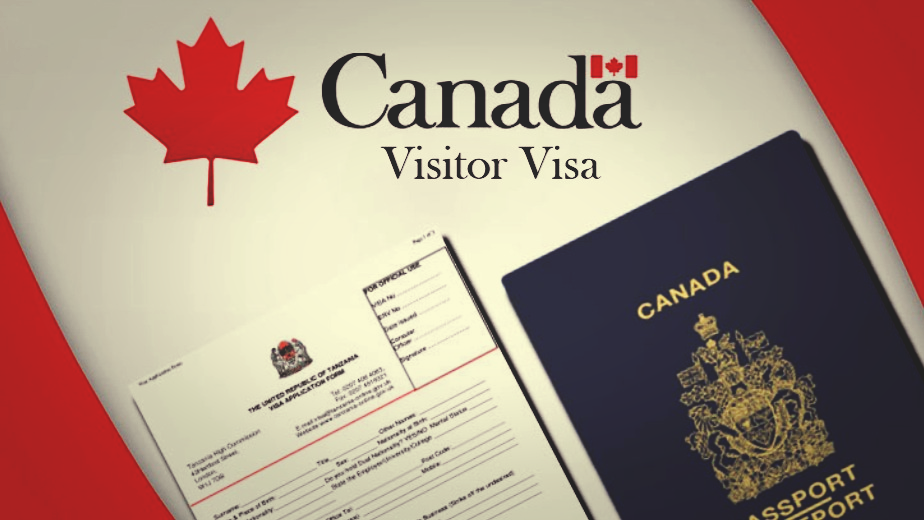
A Canada Visitor Visa is officially called a Temporary Resident Visa (TRV). It is a visa placed in your passport that allows you to enter Canada for a temporary stay.
You need this visa if you come from a country that is not visa-exempt. The purpose of this visa is short-term travel only. It does not allow you to work or study in Canada.
Most visitors are allowed to stay for up to six months. However, the final decision about your stay length is made by the border officer when you enter Canada.
Canada Visitor Visa Requirements
To get approval, you must prove that you are a genuine temporary visitor. Immigration officers want to see that you will return to your home country after your visit.
Below are the main requirements explained clearly.
Valid Passport
You must have a valid passport. It should remain valid for the entire period of your stay in Canada. It must also have enough blank pages.
Clear Purpose of Visit
You must clearly explain why you are visiting Canada. Your purpose could be tourism, visiting family, attending a business meeting, or attending an event.
A detailed travel plan helps your application. Mention where you will stay, what you plan to do, and how long you will stay.
Proof of Financial Support
You must show that you can support yourself financially during your stay. This includes money for accommodation, food, transportation, and return ticket.
Documents usually include:
- Bank statements for the last four to six months
- Salary slips or employment letter
- Business documents if self-employed
- Tax returns or proof of property
The amount of money required depends on how long you plan to stay.
Strong Ties to Home Country
This is one of the most important factors.
You must prove that you will return home after your visit. Strong ties may include:
- Permanent job
- Business ownership
- Property ownership
- Family responsibilities
If immigration officers think you may stay illegally, they can refuse your visa.
Invitation Letter (If Visiting Family or Friends)
If you are visiting someone in Canada, you may need an invitation letter. The letter should include:
- Full name of the host
- Contact details
- Relationship with you
- Status in Canada (citizen or permanent resident)
- Duration of your stay
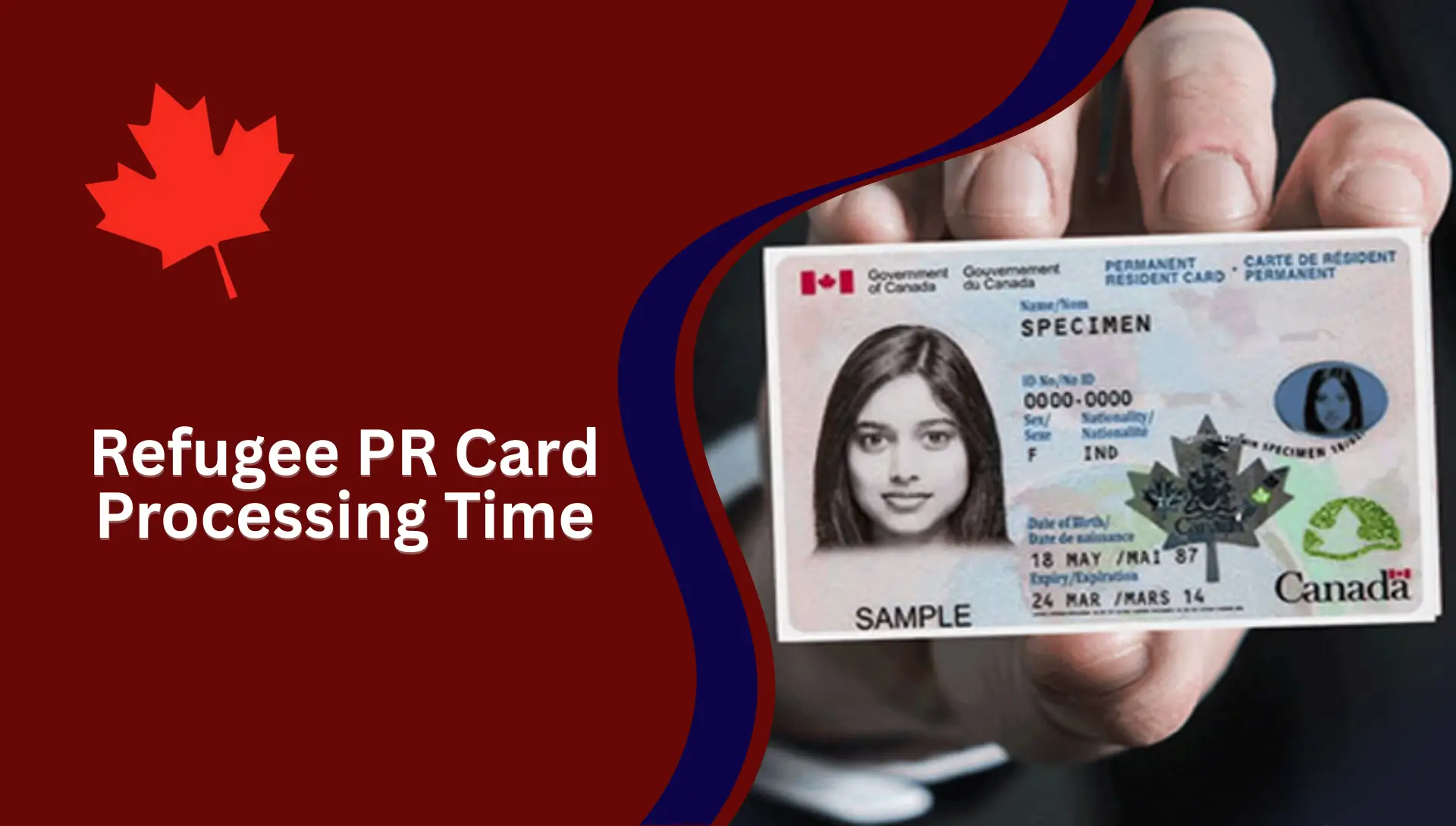
You may also need a copy of their passport or PR card.
No Criminal Record
Applicants must not pose a security risk. In some cases, you may need to provide a police clearance certificate.
Medical Examination
A medical exam may be required depending on your country of residence or duration of stay.
Biometrics
Most applicants must provide biometric information. This includes fingerprints and a photo. Biometrics help Canada verify your identity and check security records.
Canada Visitor Visa Application Process
The application process is straightforward if you follow steps carefully.
Step 1: Check Eligibility
First, confirm that you need a visitor visa and meet all requirements.
Step 2: Collect Required Documents
Prepare all necessary documents before starting your application. This includes passport, bank statements, travel plan, employment letter, and invitation letter if applicable.
Step 3: Complete Application Forms
The main form is IMM 5257. You must fill it carefully. Any incorrect information can cause delays or refusal.
You also need a family information form.
Step 4: Pay Application Fee
The standard visitor visa fee is CAD $100 per person.
If biometrics are required, the fee is CAD $85 per person or CAD $170 for a family applying together. Fees are non-refundable.
Step 5: Submit Application
You can apply online or through a Visa Application Center (VAC). Online applications are generally faster.
Upload clear scanned copies of all documents.
Step 6: Provide Biometrics
After submission, you will receive a biometric instruction letter. You must visit an authorized center to give fingerprints and photo.
Step 7: Wait for Decision
After biometrics, your application goes through background checks and review. You may be asked for additional documents if needed.
If approved, your passport will be stamped with the visa.
Canada Visitor Visa Processing Time
Processing time depends on many factors. There is no fixed timeline.

On average, processing can take between two to eight weeks. In some countries, it may take three months or more. Factors affecting processing time include:
- Country of residence
- Application volume
- Completeness of documents
- Background checks
- Peak travel seasons
During summer and holiday seasons, processing times increase due to high demand.
It is always recommended to apply at least one to two months before your planned travel date.
Canada Visitor Visa Fee (Latest)
| Type | Fee |
|---|---|
| Visitor Visa | 100 CAD |
| Biometrics | 85 CAD |
| Family Biometrics | 170 CAD |
Fees are non-refundable.
Canada Visitor Visa Processing Time After Biometrics
Many applicants want to know what happens after biometrics. Once you provide biometrics, immigration authorities begin:
- Identity verification
- Background screening
- Security checks
Processing time after biometrics varies. It can take two to six weeks on average. However, complex cases may take longer. Delays can occur if:
- Additional documents are required
- Security checks take longer
- Travel history is complex
Regularly check your online account for updates.
Documents Required for Canada Visitor Visa
A complete document file increases approval chances. Here is a detailed checklist:
- Valid passport
- Completed application form (IMM 5257)
- Family information form
- Bank statements (last 4–6 months)
- Employment letter
- Salary slips
- Tax documents (if available)
- Travel itinerary
- Hotel booking or accommodation proof
- Flight reservation
- Invitation letter (if visiting family)
- Host’s status proof
- Property documents (if available)
- Marriage certificate (if applicable)
- Travel history proof
- Visa fee payment receipt
- Biometric receipt
- Cover letter explaining your purpose
If traveling with children, consent letters may also be required.
Who Needs a Canada Visitor Visa?
This depends on your nationality. Some countries need a visa before travelling to Canada. Other countries are visa-exempt and only need an eTA.
You Need a Visitor Visa If:
- You belong to a visa-required country
- You want to visit for tourism or family visit
- You plan to stay temporarily
You May Need eTA If:
- Your country is visa-exempt
- You are travelling by air
Even visa-exempt travelers may need a visa if:
- They have criminal history
- They violated immigration rules before
So always check your eligibility first.
How Much Does Canada Visitor Visa Cost?
The standard fee for a visitor visa is CAD $100 per person.
- The biometric fee is CAD $85 per person.
- If a family applies together, the biometric fee is capped at CAD $170.
Additional charges may apply for services at Visa Application Centers. Always check the official government website for updated fee information before applying.
How Long Can You Stay in Canada?
Most visitors are allowed to stay for up to six months.
The final stay duration is decided by the border services officer when you arrive in Canada.
If no specific date is written in your passport, you can stay for six months from the date of entry.
If you want to stay longer, you must apply for an extension at least 30 days before your current status expires.
An extension allows you to stay longer but does not allow you to work or study.
What Happens If You Overstay?
Overstaying your visa is a serious violation. Immediate consequences may include:
- Removal order
- Deportation
- Future visa refusal
Overstaying can negatively affect future applications not only for Canada but also for other countries.
If you realize you have overstayed, you may apply for restoration of status within 90 days. Approval is not guaranteed. It is always better to leave Canada before your authorized stay expires.
Types of Visitor Visas
Canada offers different types of visitor visas.
Single Entry Visa
You can enter Canada once. If you leave, you must apply again.
Multiple Entry Visa
You can enter and leave Canada multiple times during the validity period.
Super Visa
Super visa is for parents and grandparents of Canadian citizens or permanent residents.
It allows longer stays compared to regular visitor visas. Parents and grandparents can stay up to five years per visit. Super visa requires:
- Invitation letter
- Proof of income from child or grandchild
- Medical insurance coverage of at least $100,000
- Medical examination
Super Visa VS Visitor Visa
Canada also offers Super Visa. Super Visa is for parents and grandparents.
- Stay allowed: Up to 5 years at one time.
- Insurance required: Minimum 100,000 CAD coverage.
Super Visa is long-term option for family reunion.
Difference Between Visitor Visa and Super Visa
| Feature | Visitor Visa | Super Visa |
|---|---|---|
| Who can apply | Anyone | Parents & Grandparents |
| Stay duration | Up to 6 months | Up to 5 years |
| Insurance required | No | Yes |
| Income requirement | No | Yes |
Reasons For Visa Refusal
Understanding refusal reasons helps you prepare better. Common reasons include:
- Insufficient financial proof
- Weak ties to home country
- Incomplete documents
- Unclear travel purpose
- Previous immigration violations
- Lack of travel history
A strong cover letter explaining your situation clearly can improve your chances.
How Many Visitor Visas Does Canada Issue?
Canada issues millions of visitor visas each year.
Before the pandemic, around 5.4 million visitor visas were issued annually.
During the pandemic, numbers dropped due to travel restrictions. In recent years, the numbers have started increasing again as global travel resumed.
Canada remains one of the most popular travel destinations worldwide.
What Happens If You Overstay?
Overstaying is serious. You may face:
- Removal order
- Ban from entering Canada
- Future visa refusal
If you overstay by mistake: “Apply for restoration within 90 days”. Do not ignore it.

Why Visitor Visa Gets Refused?
Common reasons:
- Weak financial proof
- No strong home ties
- Incomplete documents
- Travel history issues
- Suspicious purpose
Always prepare carefully.
Tips To Avoid Visa Rejection
- Show strong bank balance
- Provide genuine documents
- Explain clear travel plan
- Avoid fake information
- Show strong ties to home country
- Write clear cover letter
Think like this: If someone invites you to their home, they want to trust you.
Visa officer thinks same way.
Common Reasons for Visa Refusal
- Weak financial proof
- No travel history
- Unclear purpose
- Weak home country ties
- Incomplete documents
Always read refusal letter carefully.
FAQs About Canada Visitor Visa
What is the Canada visitor visa processing time?
Canada visitor visa processing time depends on your country of residence and the number of applications being processed at that time. In most cases, it takes between two to eight weeks. However, during busy travel seasons such as summer or holiday months, it can take longer. Some applications may also take several months if additional checks are required. It is always better to apply at least one to two months before your planned travel date to avoid stress.
What is Canada visitor visa processing time after biometrics?
After you provide biometrics, your application moves into background and security screening. This stage includes identity verification and record checks. In many cases, processing after biometrics takes around two to six weeks. However, if your travel history is complex or if additional documents are requested, it may take longer. Every case is different, so timelines can vary.
How can I apply for a Canada visitor visa?
You can apply online through the official immigration website of Canada or through a Visa Application Center. The process includes completing the application form, uploading required documents, paying the visa fee, giving biometrics if required, and waiting for the final decision. Applying online is usually faster and easier because you can track your application status digitally.
What are the main Canada visitor visa requirements?
To qualify for a Canada visitor visa, you must have a valid passport, show proof of sufficient financial support, clearly explain the purpose of your visit, and demonstrate strong ties to your home country. You must also be in good health and not have a serious criminal record. Immigration officers want to make sure you are a genuine visitor and that you will return home after your trip.
How much money is required for a Canada visitor visa?
There is no fixed amount officially announced. The required funds depend on how long you plan to stay and where you will stay. You must show enough money to cover your accommodation, food, transportation, and return flight. Bank statements from the last four to six months are usually required to prove financial stability.
How much is the Canada visitor visa fee?
The standard visitor visa application fee is CAD $100 per person. If biometrics are required, you must pay an additional CAD $85 per person. If a family applies together, the biometric fee is capped at CAD $170. These fees are non-refundable, even if your visa is refused.
How long can I stay in Canada on a visitor visa?
Most visitors are allowed to stay for up to six months per visit. However, the final decision is made by the border services officer when you enter Canada. If the officer writes a specific date in your passport, you must leave before that date. If no date is written, you are generally allowed to stay for six months from your entry date.
Can I extend my Canada visitor visa?
Yes, you can apply for an extension if you want to stay longer. You must apply at least 30 days before your current status expires. If approved, you can remain in Canada for a longer period. However, extending your visitor visa does not allow you to work or study without proper authorization.
Conclusion
In conclusion, the Canada Visitor Visa allows people to visit Canada for tourism, family visits, or short business trips. To get approval, you must meet all requirements, show strong financial proof, and prove that you will return to your home country. Processing time can vary depending on your country and background checks, especially after biometrics. Always apply early and submit complete documents to avoid delays. If you prepare carefully and follow all rules, your chances of getting a Canada visitor visa become much higher and smoother.