Cuba Visa From Canada 2026: Complete Guide To Fees, Requirements And Application Process
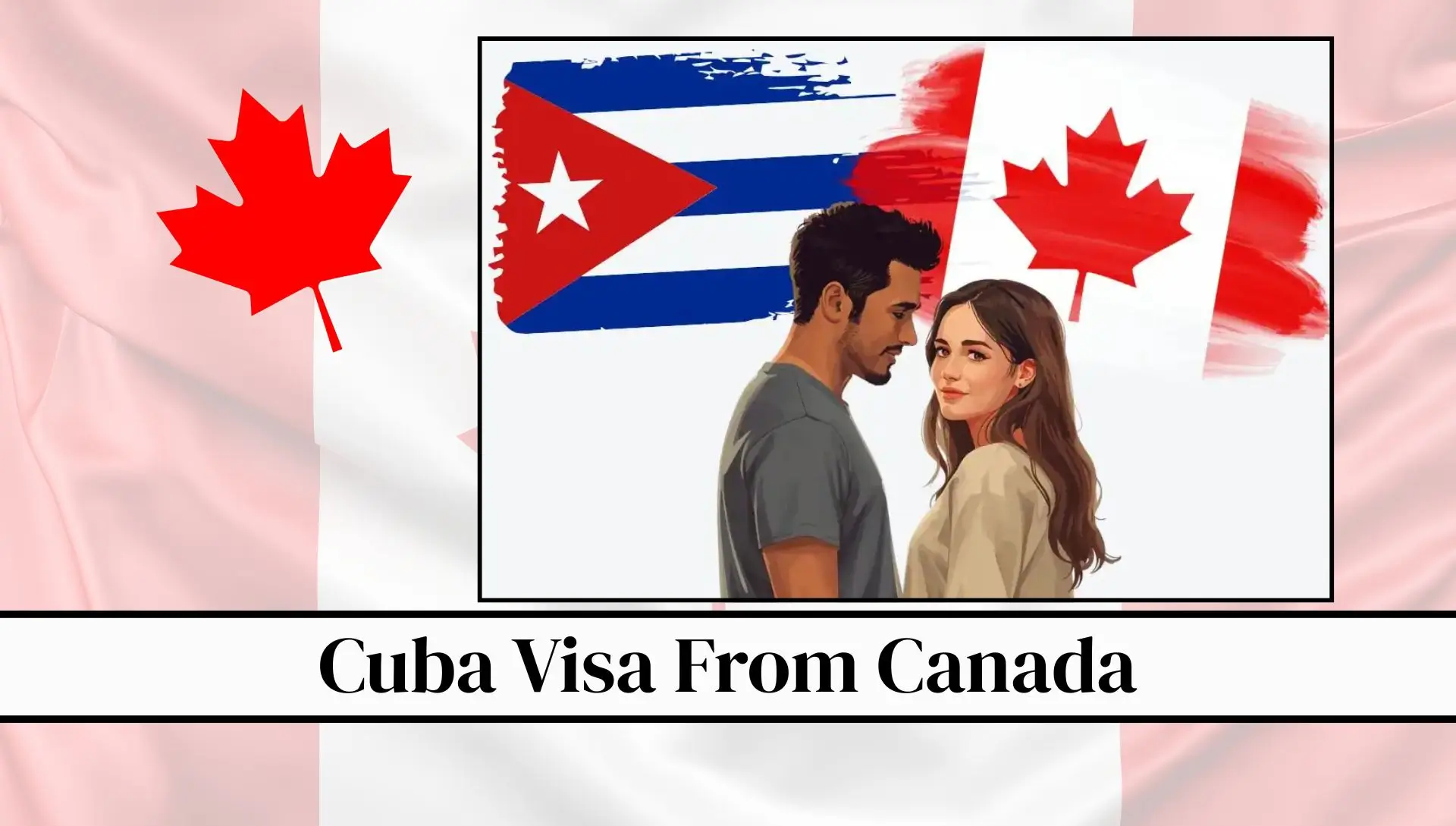
Cuba Visa From Canada 2026. Travelling to Cuba from Canada is very popular because Cuba offers beautiful beaches, warm weather, resorts, culture, and affordable vacation options. Every year, thousands of Canadian travellers visit Cuba for tourism, family trips, and holidays. However, before planning your trip, it is very important to understand the latest Cuba visa requirements for Canadian citizens.
In recent years, Cuba has changed its entry system. The old paper tourist card system has now been replaced with the modern Cuba eVisa system for most air travellers. Because of these changes, many Canadians are confused about whether they need a visa, how to apply, what documents are required, and how the D’Viajeros form works.
This detailed guide explains everything in simple English. You will learn about Cuba visa rules, eVisa requirements, processing times, travel insurance, QR codes, direct flights, connecting flights, visa validity, and step-by-step application instructions.
What Is the Cuba eVisa?
The Cuba eVisa is an electronic travel authorization that allows foreign travellers, including Canadians, to enter Cuba for tourism purposes. Instead of receiving a traditional paper visa sticker inside the passport, travellers now receive a digital visa approval.
The eVisa system was introduced to simplify the application process and improve immigration procedures for international travellers entering Cuba. The Cuba tourist eVisa is mainly used for:
- Tourism
- Holiday vacations
- Family visits
- Resort stays
- Short-term travel
The visa is connected electronically to your travel information, and you must also complete the mandatory D’Viajeros travel form before arrival.

Do Canadian Citizens Need a Visa for Cuba?
Yes. Canadian citizens need a Cuba eVisa to travel to Cuba for tourism. Previously, many Canadian travellers received a paper tourist card through airlines when flying directly from Canada. However, this system has changed.
Since July 2025, the old paper tourist card for air travel has been permanently discontinued. All air travellers, including Canadian citizens, are now required to obtain an electronic Cuba eVisa before departure. This applies whether:
- You fly directly from Canada
- You travel through another country
- You have a connecting flight
- You use international airlines
Without a valid eVisa, travellers may not be allowed to board their flight.
Important Cuba Travel Update for Canadians
Many Canadian airlines have suspended or reduced services to Cuba until further notice. Although commercial flights are still available through international airlines, flight availability may change on short notice. Because of this situation, travellers should:
- Monitor airline schedules regularly
- Keep travel documents updated
- Confirm visa requirements before departure
- Prepare alternative travel plans if necessary
Canadian travellers are also advised to register with the Registration of Canadians Abroad service to receive emergency travel updates and important notifications.
Cuba Visa Requirements for Canadian Citizens
Canadian travellers must meet several requirements before travelling to Cuba. Here are the main Cuba visa requirements for Canadians:
| Requirement | Details |
|---|---|
| Valid Passport | Passport must remain valid during your stay |
| Cuba eVisa | Mandatory for tourism travel |
| D’Viajeros Form | Required before arrival |
| QR Code | Must be shown at arrival |
| Travel Insurance | Mandatory for all travellers |
| Return Ticket | Recommended |
| Accommodation Details | May be requested |
| Proof of Funds | Sometimes required |
All travellers should carefully check their documents before travelling to avoid delays or boarding issues.
Passport Requirements for Cuba
Your passport is one of the most important travel documents for Cuba. Canadian citizens travelling to Cuba must have:
- A valid Canadian passport
- Passport validity throughout the stay
- Clear passport information matching the eVisa details
If your visa information does not match your passport exactly, you may not be allowed to board your flight. Before submitting your application:
- Double-check your passport number
- Verify your full name spelling
- Confirm passport expiry date
Even small mistakes can create travel problems.
Cuba Travel Health Insurance Requirement
Travel health insurance is mandatory for all travellers visiting Cuba. Canadian travellers must carry proof of medical insurance recognized in Cuba. Your travel insurance should ideally cover:
- Medical emergencies
- Hospital treatment
- Emergency evacuation
- Trip interruptions
- Accidents
If you arrive without valid insurance, Cuban authorities may require you to purchase local Cuban medical insurance at the airport.
How to Apply for a Cuba eVisa
Applying for a Cuba eVisa is usually a simple online process. Below is a complete step-by-step guide.
Step 1: Find the Correct Visa Type
Before applying, determine which visa category matches your travel purpose. For most Canadian tourists, the correct option is:
- Single-entry tourist eVisa
This visa is suitable for:
- Vacations
- Beach holidays
- Tourism activities
- Family visits
Step 2: Prepare Required Documents
Before starting the application, prepare the following documents and details:
- Valid passport
- Travel dates
- Flight information
- Email address
- Payment method
- Accommodation information
Having everything ready makes the process faster.
Step 3: Complete the Online Application
Travellers must fill out the online visa request form carefully. Information commonly requested includes:
- Full name
- Nationality
- Passport details
- Travel information
- Contact information
Always review your application before submission. Mistakes can delay approval.
Step 4: Pay the Visa Fee
After completing the form, travellers must pay the visa processing fee. Payment methods may include:
- Credit cards
- Debit cards
- Online payment systems
Some services may also accept:
- USD
- EUR
- GBP
- AUD
The total amount depends on processing speed and service provider.
Step 5: Receive the eVisa Approval
Once approved, travellers receive:
- eVisa confirmation
- Authorization number
- Important travel instructions
This approval is usually sent through email. Travellers should:
- Print the confirmation
- Save digital copies
- Keep backup screenshots
Step 6: Complete the D’Viajeros Form
Within 7 days before arrival, complete the mandatory D’Viajeros form. After submission, you will receive the required QR code.
Keep this code available during travel.
Cuba eVisa Processing Time
Processing times can vary depending on the service used. Typical timelines include:
| Processing Type | Estimated Time |
|---|---|
| Standard Processing | 3–7 working days |
| Priority Processing | Same day or faster |
Travellers should apply early to avoid delays. Last-minute applications can create stress and travel complications.
Cuba eVisa Fees for Canadians

Visa prices may vary depending on the provider and processing speed. Typical costs include:
| Visa Type | Price |
|---|---|
| Standard eVisa | Around $28 USD |
| Priority Service | Additional fees may apply |
Canadian travellers often pay approximately CAD 38–40 after currency conversion. Always confirm the latest fee before payment.
Cuba eVisa Validity
The Cuba tourist eVisa is generally valid for:
- Single entry into Cuba
- Stay up to 90 days
Travellers can usually extend their stay for an additional 90 days while inside Cuba. This means Canadian tourists may stay in Cuba for a total period of up to 180 days after extension approval. However, immigration approval is always subject to Cuban authorities.
Applying Through Cuban Adventures
Some travellers prefer using third-party travel providers such as Cuban Adventures for easier processing. According to their process:
- Travellers complete a visa request form
- Payment is submitted
- Visa code is emailed after processing
- Travellers complete the D’Viajeros form later
- The QR code finalizes travel authorization
However, travellers should apply at least 5 days before departure because last-minute requests may not be processed.
Direct Flights vs Connecting Flights to Cuba
The visa process may slightly differ depending on your travel route.
Direct Flights from Canada
If you are flying directly from Canada using Canadian airlines such as:
- Air Canada
- Air Transat
- Sunwing
- WestJet
you should still confirm visa procedures with your airline before departure.
In the past, airlines often included tourist cards with tickets, but this is no longer guaranteed because the new eVisa system is now active. Travellers should always verify the latest airline policy before travelling.
Flights with Layovers or Stopovers
If your trip includes a layover or stop in another country such as:
- United States
- Mexico
- Panama
- Dominican Republic
you must arrange your Cuba eVisa before departure. Travellers using connecting flights cannot rely on airline-issued tourist cards. Applying online in advance is the safest option.
What Is the D’Viajeros Form?
The D’Viajeros form is a mandatory online travel declaration form required by Cuban authorities. Every traveller entering Cuba must complete this form before arrival. The form includes:
- Immigration information
- Customs declaration
- Health declaration
- Travel details
After completing the form, travellers receive a QR code by email. This QR code must be shown:
- Before boarding
- At immigration checkpoints
- Upon arrival in Cuba
When Should You Complete the D’Viajeros Form?
Travellers can only complete the D’Viajeros form within 7 days before arriving in Cuba. You should not try to complete it too early because the system may not allow access before the allowed period. After successful submission, keep:
- A printed copy
- A digital screenshot
- Email confirmation backup
This helps avoid issues during travel.
Why the QR Code Is Important
The QR code generated from the D’Viajeros form is extremely important. Without the QR code:
- Boarding may be denied
- Immigration clearance may be delayed
- Entry problems can occur
Travellers should ensure the QR code is clearly visible on their phone or printed copy.
Benefits of Applying Online
The Cuba eVisa system offers several benefits for Canadian travellers.
Faster Processing
Applications can be submitted online without visiting an embassy.
Easy Documentation
Travellers upload information digitally.
Electronic Confirmation
Visa approval arrives through email.
Convenient Travel Process
The digital system reduces paperwork at airports.
Common Reasons for Cuba Visa Rejection
Although many applications are approved successfully, some applications may face delays or rejection. Common reasons include:
- Incorrect passport information
- Expired passport
- Incomplete application
- Invalid travel details
- Payment failure
- Typing mistakes
To avoid problems:
- Review all information carefully
- Apply early
- Use accurate passport details
Can Canadians Extend Their Stay in Cuba?
Yes. Canadian tourists can usually extend their stay while inside Cuba. The initial tourist stay is generally:
- Up to 90 days
Extensions may allow:
- Another 90 days
Travellers must contact local immigration authorities in Cuba for extension procedures. Approval is not automatic.
Entry Rules at Cuban Airports
Upon arrival in Cuba, travellers may be asked to present:
- Passport
- eVisa approval
- QR code
- Return ticket
- Travel insurance proof
- Accommodation details
Immigration officers may ask additional questions about your trip. Remain polite and provide accurate answers.
Important Travel Tips For Canadians Visiting Cuba
Here are some helpful travel tips for a smoother journey.
Apply Early
Do not wait until the last minute.
Print All Documents
Carry printed copies even if you have digital versions.
Save Offline Copies
Internet access may not always be reliable during travel.
Buy Good Travel Insurance
Medical emergencies abroad can become expensive.
Monitor Airline Changes
Flight schedules may change unexpectedly.
Keep Emergency Contacts
Store emergency contact numbers before departure.
Is Cuba Safe for Canadian Tourists?
Cuba is generally considered a popular and relatively safe tourist destination for Canadians. However, travellers should still:
- Stay alert in crowded places
- Protect valuables
- Avoid unofficial services
- Follow local laws
- Keep documents secure
Tourists should also stay informed about travel advisories before departure.
What Happens If You Travel Without an eVisa?
Travelling without a valid Cuba eVisa may create serious problems. Possible issues include:
- Boarding denial
- Immigration refusal
- Flight cancellation complications
- Travel delays
Because airlines verify travel documents before departure, travellers without proper authorization may not be allowed to board.
Cuba Visa for Cruises
Cruise travellers follow slightly different procedures. For cruise travel to Cuba:
- A paper tourist card may still be required
- eVisa rules may differ
- Travellers should contact the cruise company directly
Cruise passengers should never assume airline rules apply to cruise travel.
Best Time to Apply for a Cuba Visa
The best time to apply is:
- At least 1–2 weeks before departure
This gives enough time for:
- Application processing
- Corrections if needed
- D’Viajeros completion
- Travel preparation
Applying too late increases the risk of travel problems.
Can You Work in Cuba With a Tourist eVisa?
No. The tourist eVisa is only for tourism purposes. You cannot:
- Work legally
- Start employment
- Conduct long-term business activities
Travellers wanting other visa categories should contact Cuban authorities for proper guidance.
Internet And Communication in Cuba
Canadian travellers should know that internet access in Cuba may differ from Canada. Important points include:

- Wi-Fi availability can be limited
- Mobile roaming may be expensive
- Some apps may work slowly
- Offline travel copies are useful
Download important documents before travelling.
Why Canadians Love Visiting Cuba
Despite changing visa rules, Cuba remains one of the most popular vacation destinations for Canadians. Popular reasons include:
- Beautiful beaches
- Warm weather
- All-inclusive resorts
- Affordable travel
- Rich culture
- Historic cities
- Friendly atmosphere
Many Canadian tourists return to Cuba multiple times because of its relaxing environment and tropical attractions.
Final Checklist Before Travelling to Cuba
Before leaving Canada, make sure you have:
- Valid passport
- Cuba eVisa approval
- D’Viajeros QR code
- Travel insurance
- Flight confirmation
- Hotel reservation
- Printed copies of documents
- Emergency contacts
- Return ticket
Completing this checklist helps reduce travel stress.
FAQs About Cuba Visa From Canada
Do Canadian Citizens Need a Visa to Travel to Cuba?
Yes, Canadian citizens need a valid Cuba eVisa to travel to Cuba for tourism purposes. The Cuban government has introduced an electronic visa system that replaces the old paper tourist card for most air travellers. Whether you are travelling for a vacation, family visit, or resort stay, you must obtain the required eVisa before departure. Airlines may check your visa approval before allowing you to board your flight.
What Is the Cuba eVisa for Canadians?
The Cuba eVisa is an electronic travel authorization that allows Canadian travellers to enter Cuba legally for tourism. Instead of receiving a physical visa sticker or paper tourist card, travellers now receive an electronic approval connected to their travel information. The process is faster and easier because applications can usually be completed online without visiting an embassy or consulate.
How Long Can Canadians Stay in Cuba With an eVisa?
Canadian citizens can usually stay in Cuba for up to 90 days with a tourist eVisa. In many cases, travellers may also apply for an extension while staying in Cuba, allowing another 90 days of stay. This means tourists may remain in Cuba for a total period of up to 180 days if the extension is approved by Cuban immigration authorities.
Is the D’Viajeros Form Mandatory for Cuba Travel?
Yes, the D’Viajeros form is mandatory for all travellers entering Cuba. This online form includes immigration, customs, and health information. Travellers must complete the form within 7 days before arrival in Cuba. After submitting the form, a QR code is generated and sent through email. This QR code must be shown during boarding and upon arrival at Cuban immigration checkpoints.
Do Canadians Need Travel Insurance for Cuba?
Yes, travel medical insurance is compulsory for Canadian travellers visiting Cuba. Visitors must carry proof of valid medical insurance recognized by Cuban authorities. The insurance should ideally cover emergency medical treatment, hospitalization, and other unexpected situations during the trip. Travellers who arrive without proper insurance may be required to purchase local Cuban health insurance at the airport.
Can Canadians Apply for a Cuba Visa Online?
Yes, Canadian citizens can apply for a Cuba eVisa online. The online application process is simple and convenient for most travellers. Applicants usually need to provide passport details, travel information, and payment for the visa fee. After approval, the eVisa confirmation is sent electronically through email, making the process faster than traditional embassy applications.
What Happens If My Cuba Visa Information Does Not Match My Passport?
If your Cuba eVisa information does not exactly match your passport details, you may face serious travel problems. Airlines and immigration authorities carefully verify passport numbers, names, and other information before allowing entry. Even small mistakes can result in boarding denial or delays. Travellers should always review all information carefully before submitting the visa application.
Can I Travel to Cuba Through Another Country?
Yes, Canadian travellers can visit Cuba through connecting flights or layovers in other countries such as the United States, Mexico, or Panama. However, travellers using connecting flights are generally required to arrange their Cuba eVisa before departure. It is important to confirm all travel and transit requirements in advance to avoid unexpected issues during the journey.
What Documents Should Canadians Carry While Travelling to Cuba?
Canadian travellers should carry several important documents during their trip to Cuba. These include a valid passport, approved Cuba eVisa, D’Viajeros QR code, travel insurance proof, flight tickets, hotel reservations, and emergency contact information. It is recommended to keep both printed and digital copies of these documents for extra safety during travel.
When Should Canadians Apply for a Cuba eVisa?
Canadian travellers should ideally apply for their Cuba eVisa at least one or two weeks before departure. Applying early gives enough time for visa processing, corrections, and completion of the mandatory D’Viajeros form. Last-minute applications may create stress, delays, or travel problems, especially during busy travel seasons or unexpected airline schedule changes.
Conclusion
Travelling to Cuba from Canada is still a popular choice for tourists looking for beaches, resorts, culture, and affordable vacations. However, the visa process has changed significantly in recent years. Canadian travellers must now understand the modern Cuba eVisa system, mandatory D’Viajeros form, QR code requirements, and travel insurance rules before departure.