Germany Visa For Canada 2026: Complete Guide To Fees, Requirements, Types And Application Process
Germany Visa For Canada 2026. Germany is one of the most popular travel destinations in Europe. Every year, thousands of people from Canada visit Germany for tourism, business, family visits, study, and work. The country is famous for its beautiful cities, castles, history, modern lifestyle and excellent transportation system.
If you are planning to travel from Canada to Germany, it is important to understand the latest visa rules before booking your trip. Many Canadian citizens can travel to Germany without a visa for short stays, while others may need to apply for a German visa depending on their nationality, travel purpose, and length of stay.
This complete guide explains everything you need to know about the Germany Visa From Canada, including visa requirements, eligibility, required documents, visa fees, application steps, visa types and useful travel tips.
Do Canadians Need a Visa for Germany?
The answer depends on your nationality and how long you plan to stay in Germany.
If you are a Canadian citizen, you do not need a visa to enter Germany for tourism, family visits, or business trips that last up to 90 days within any 180-day period.
This visa-free entry makes Germany one of the easiest European countries for Canadians to visit.
However, if you want to stay longer than 90 days or travel for purposes such as employment, higher education, family reunification, or long-term residence, you must apply for a German National Visa (Type D) before traveling.
Germany Visa-Free Rule for Canadians
| Travel Purpose | Visa Required? |
|---|---|
| Tourism (Up to 90 Days) | No |
| Family Visit | No |
| Business Meeting | No |
| Medical Visit | Usually No (Short Stay) |
| Study More Than 90 Days | Yes |
| Employment | Yes |
| Family Reunion | Yes |
| Permanent Residence | Yes |
Although Canadians do not normally require a visa for short visits, they must always carry valid travel documents and may be asked to show proof of accommodation, return tickets and sufficient financial resources upon arrival.
Who Needs a Germany Visa From Canada?
Not everyone living in Canada enjoys visa-free travel to Germany.
If you are a permanent resident, temporary resident, work permit holder, or student in Canada, your visa requirements depend on the passport you hold.
If your country has no visa liberalization agreement with the Schengen Area, you must apply for a German Schengen Visa before traveling.
For example, many foreign nationals living legally in Canada still require a visa because their passport nationality determines their travel rights—not their Canadian residence status.
Can Non-Canadian Residents Apply for a German Visa in Canada?
Yes. If you legally live in Canada and hold a valid residence permit, you can apply for a German visa from Canada.
Eligible applicants include:
- Permanent Residents
- Temporary Residents
- International Students
- Foreign Workers
- Refugees with valid travel documents (where applicable)
However, applicants must prove their legal residence in Canada during the visa application.
People who are only visiting Canada as tourists generally cannot submit their German visa application there.
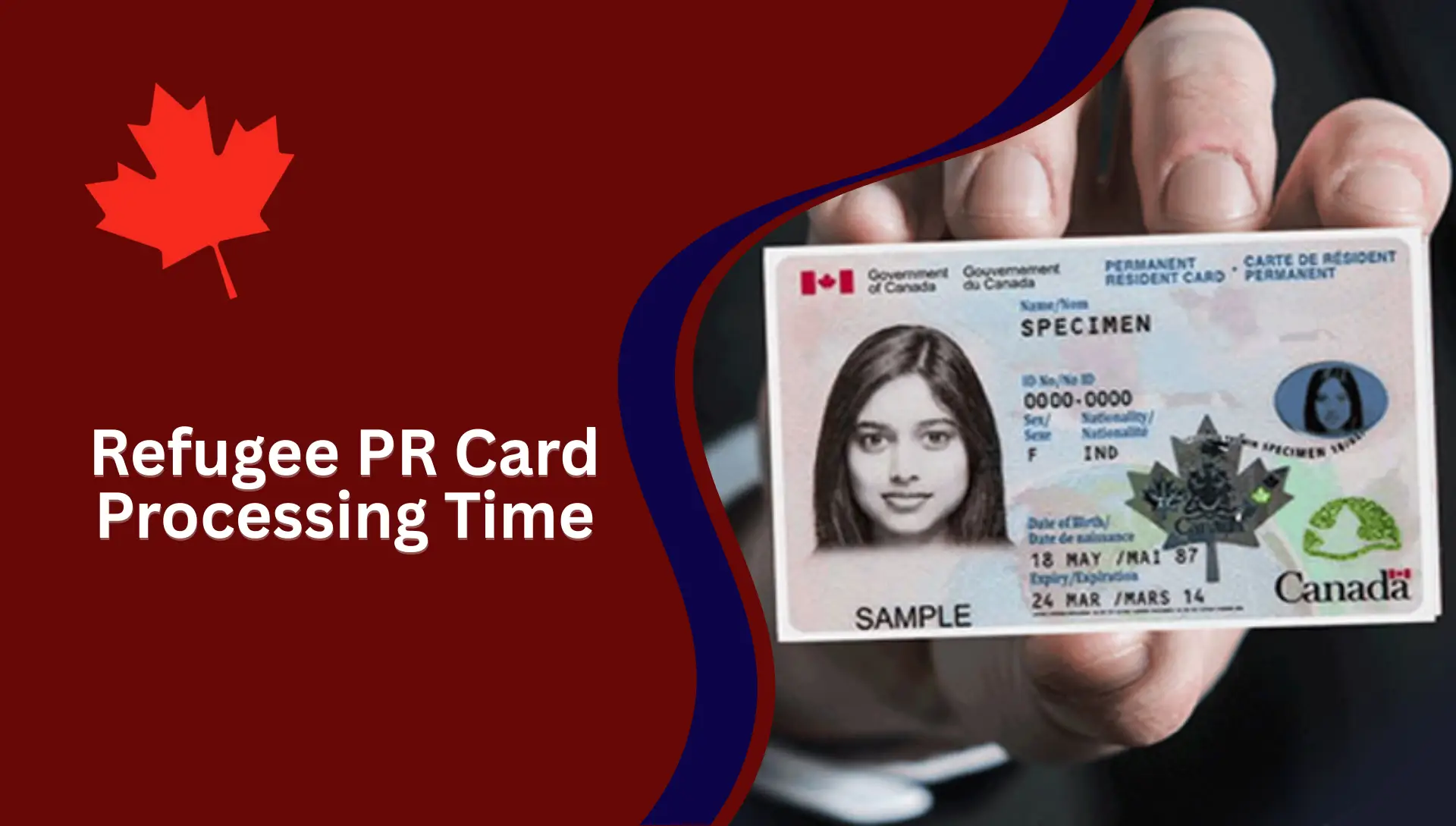
German Visa Information in Canada
Before starting your application, there are several important things every applicant should know.
Important Information
- Visa appointments are available only based on appointment availability.
- The German Consulate does not provide visa consultations by phone.
- Applicants should carefully read the official visa instructions before contacting the visa section.
- Questions regarding visa application status are generally not answered.
- If additional documents are required, the visa office will contact the applicant directly.
Applicants should always prepare complete documents before attending their appointment to avoid unnecessary delays.
Where Can You Apply for a Germany Visa in Canada?
Many applicants believe they can submit visa applications at every German diplomatic office in Canada, but this is not correct.
Important Notice
The German Missions in:
- Montreal
- Ottawa
- Vancouver
Do not accept regular visa applications.
Applicants must follow the latest submission instructions provided by the responsible German visa authorities and apply through the designated visa application center or consulate handling their region.
Always confirm your application location before booking an appointment.
Types of Germany Visas Available From Canada
Germany offers different visa categories depending on your travel purpose. Below are the most common German visas.
| Visa Type | Purpose |
|---|---|
| Tourist Visa | Holidays and sightseeing |
| Visitor Visa | Visiting relatives or friends |
| Business Visa | Meetings, conferences, business trips |
| Airport Transit Visa | Transit through German airports |
| Medical Visa | Medical treatment |
| Internship Visa | Internship or practical training |
| Cultural Event Visa | Arts, music, sports, religious events |
| Trade Fair Visa | Business exhibitions and trade fairs |
| National D Visa | Work, study, family reunion, long stay |
Choosing the correct visa category is one of the most important parts of your application.
Applying under the wrong category may lead to delays or even visa refusal.
Understanding the Schengen Visa
Germany is a member of the Schengen Area. A Schengen Visa allows travelers to visit Germany and other participating European countries using one visa.
The maximum stay allowed is:
90 days within any 180-day period.
This visa is mainly used for:
- Tourism
- Family visits
- Business meetings
- Medical treatment
- Short educational courses
- Cultural events
- Conferences
If your stay exceeds 90 days, the Schengen Visa is no longer suitable.
Instead, you must apply for a National Visa.
When Do Canadians Need a Schengen Visa?

Normally, Canadian passport holders do not need a Schengen Visa for short visits. However, there are rare situations where a visa may still be required.
Examples include:
- Previous refusal of entry into the Schengen Area
- Travel restrictions placed on the traveler
- Exceptional immigration situations
For most Canadian tourists, short-term travel remains visa-free.
National (Long-Stay) Visa for Germany
The National Visa, also known as the Type D Visa, is required for people planning to remain in Germany for more than 90 days. This visa is commonly issued for:
- Employment
- University education
- Vocational training
- Family reunification
- Long-term research
- Language courses
- Permanent relocation
Unlike a Schengen Visa, a National Visa allows applicants to begin the process of obtaining a German residence permit after arriving in Germany.
Why It Is Important to Choose the Correct Visa
Many applications are delayed because applicants choose the wrong visa category. Before applying, ask yourself:
- What is the purpose of my trip?
- How long will I stay?
- Will I work or study?
- Will I return within 90 days?
Answering these questions helps you select the correct visa and reduces the chances of delays or rejection.
Germany Visa Document
The following table shows the main documents required for most Germany visa applications.
| Required Document | Purpose |
|---|---|
| Visa Application Form | Official application |
| Signed Declaration Form | Confirms information is correct |
| Valid Passport | Identity and travel document |
| Passport Photo | Schengen photo standards |
| Proof of Residence in Canada | Shows legal residence |
| Canadian Residence Permit | Confirms legal stay |
| Travel Health Insurance | Medical coverage |
| Hotel Booking or Invitation Letter | Accommodation proof |
| Flight Reservation | Travel itinerary |
| Bank Statements | Financial proof |
| Additional Contact Declaration | Embassy requirement |
| Invitation Letter (if applicable) | Family or friend visits |
Passport Requirements
Your passport must:
- Be issued within the last 10 years
- Be valid for at least three months after leaving Germany
- Have at least two blank pages
- Be in good condition
Damaged passports may not be accepted.
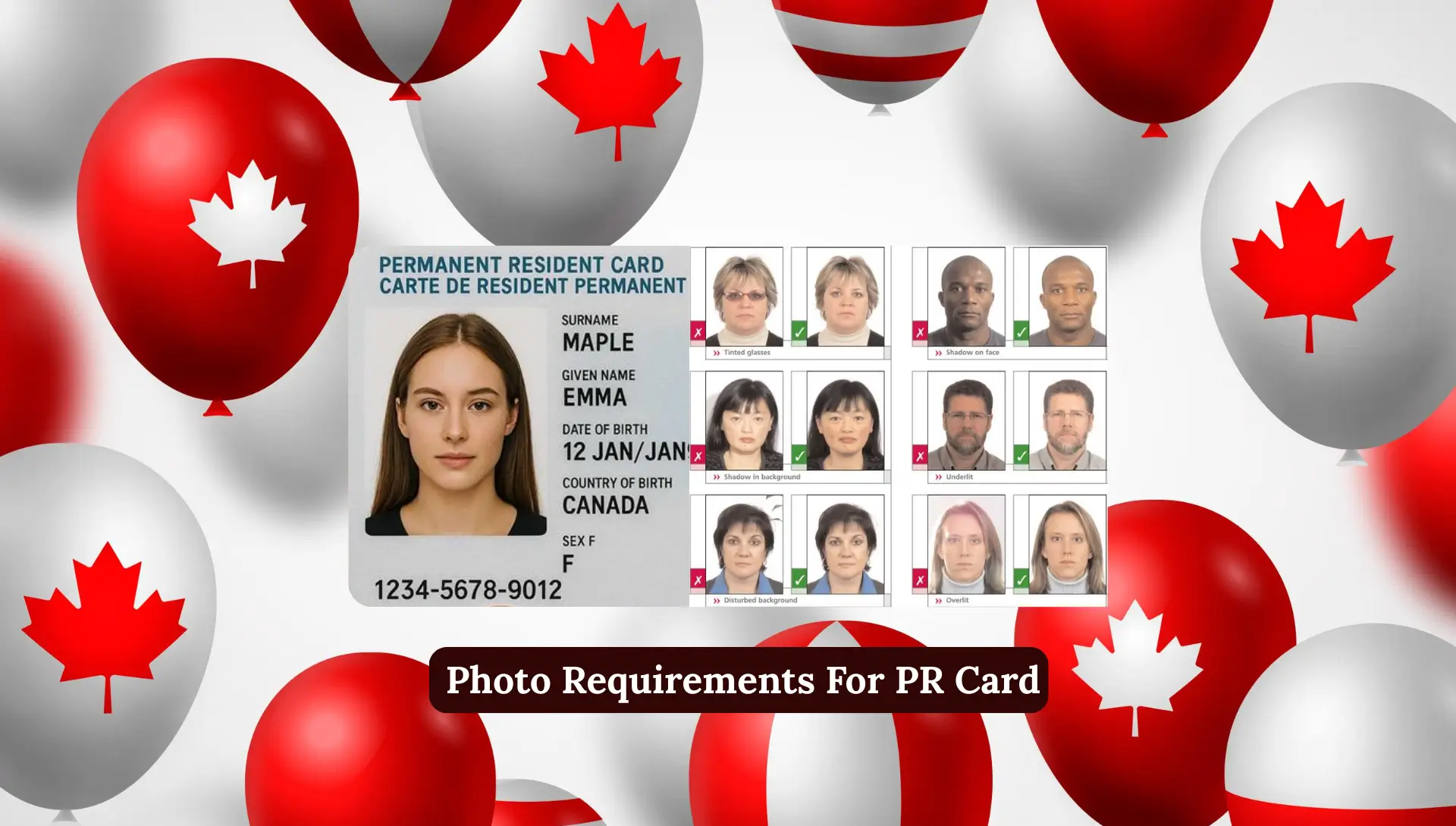
Passport Photograph Requirements
Your photo must meet Schengen visa standards. Generally, the photograph should:
- Be taken within the last six months
- Have a white or light background
- Clearly show your face
- Be high quality
- Have no filters or editing
Incorrect photo sizes are a common reason for document rejection.
Proof of Residence in Canada
Applicants must show that they legally live in Canada. Accepted documents may include:
- Utility bill
- Provincial ID
- Lease agreement
- Government correspondence
Provide both the original document and a copy if requested.
Residence Permit
If you are not a Canadian citizen, submit a valid Canadian residence permit. Examples include:
- Permanent Resident Card
- Work Permit
- Study Permit
- Temporary Resident Permit (where applicable)
Expired permits are not accepted.
Germany Travel Health Insurance
Travel insurance is mandatory for most visa applicants. The insurance should:

- Cover all Schengen countries
- Include emergency medical treatment
- Include hospital care
- Include emergency medical evacuation
- Provide at least EUR 30,000 medical coverage
Without valid insurance, your visa application may be refused.
Proof of Accommodation
Applicants must show where they will stay during their trip. Accepted documents include:
- Hotel reservation
- Airbnb booking
- Rental agreement
- Invitation letter from family
- Invitation letter from friends
If someone is hosting you, the invitation letter should clearly explain:
- Your relationship
- Duration of stay
- Host’s address
- Reason for invitation
Travel Itinerary
Your travel itinerary should include:
- Flight reservation
- Planned travel dates
- Cities you plan to visit
- Return travel details
Remember that a flight reservation is usually sufficient. Buying a non-refundable ticket before visa approval is generally not recommended.
Proof of Financial Means
Applicants must show they have enough money for the trip. Common financial documents include:
- Bank statements (last three months)
- Salary slips
- Employment letter
- Pension statements
- Sponsor’s financial documents (if applicable)
Your bank statements should clearly display:
- Your name
- Bank details
- Recent transactions
- Available balance
Invitation Letter
If you are visiting relatives or friends in Germany, include an invitation letter. The letter should mention:
- Host’s full name
- Address
- Contact information
- Relationship with applicant
- Purpose of visit
- Length of stay
If your host is paying for your trip, this should also be mentioned.
Additional Documents for Minors
Children applying for a German visa must provide additional documents. These usually include:
- Signed application form by both parents
- Birth certificate
- Parents’ passports
- Custody documents (if applicable)
- Notarized travel consent letter when required
These documents help confirm parental permission for travel.
Additional Documents May Be Requested
Every application is different. The visa office may ask for extra documents depending on:
- Your travel history
- Employment
- Financial situation
- Purpose of travel
Always respond quickly if additional documents are requested.
How to Apply for a Germany Visa From Canada
If you need a German visa, it is important to follow the correct application process. Preparing your documents carefully and submitting a complete application can help avoid delays.
Below is the complete step-by-step process.
Step 1: Find Out Where to Apply
The first step is to determine the correct place to submit your application. Your application location depends on:
- Your place of residence in Canada
- Your visa category
- The German mission responsible for your area
Before booking anything, always confirm where your application should be submitted.
Tip: Do not book flights or hotels that cannot be canceled until your visa has been approved.
Step 2: Book a Visa Appointment
Germany accepts visa applications by appointment only. Appointments may fill up quickly, especially during:
- Summer holidays
- Christmas season
- Spring vacations
- Student admission periods
It is recommended to schedule your appointment several weeks before your planned travel date. During your appointment, your documents will be checked, and your biometric information (fingerprints and photograph) may be collected if required.
Step 3: Complete the Visa Application Form
Fill out the visa application form carefully. Make sure all information matches your passport and supporting documents.
Double-check:
- Full name
- Passport number
- Date of birth
- Travel dates
- Purpose of visit
- Address details
Providing incorrect or incomplete information may delay your application.
Step 4: Prepare All Required Documents
One of the most important parts of your application is preparing the correct documents.
Missing documents are one of the biggest reasons for visa delays.
Prepare two complete sets of documents before your appointment.
Germany Visa Fees in Canada
The visa fee depends on the applicant’s age.
| Applicant Category | Visa Fee |
|---|---|
| Adults | EUR 90 |
| Children (6–12 Years) | EUR 45 |
| Children Under 6 | Free |
Important points:
- Payment is usually made in Canadian Dollars (CAD) based on the current exchange rate.
- Fees can normally be paid by cash or credit card, depending on the visa center’s accepted payment methods.
- Visa fees are non-refundable, even if your application is refused.
Germany Visa Processing Time
Processing times vary depending on:
- Time of year
- Visa type
- Number of applications
- Whether additional documents are required
In many cases, short-stay visa applications are processed within a few weeks. However, long-stay National (D) visas may take longer because they often require approval from authorities in Germany.
To avoid travel disruptions, apply well before your planned departure date.
Who Should Apply for a National Visa?
You should apply for a German National Visa if you plan to:
- Work in Germany
- Study at a German university
- Join your spouse or family
- Start vocational training
- Stay longer than 90 days
- Apply for residence after arrival
Applying for the correct visa before traveling is extremely important because entering Germany without the appropriate visa may prevent you from staying legally.
Who Can Apply for a German Visa in Canada?
You can generally apply for a German visa in Canada if you:
- Are legally residing in Canada.
- Hold a valid Canadian residence permit.
- Have lived in Canada according to the required residency rules for your application.
- Meet the eligibility requirements for your chosen visa category.
Before booking your appointment, always make sure your passport is valid and your supporting documents are complete.
ETIAS for Canadian Citizens
Although Canadian citizens currently enjoy visa-free travel for short visits, an important change is planned.

The European Travel Information and Authorization System (ETIAS) is expected to become a requirement before traveling to Germany and other Schengen countries once it is officially launched.
Under ETIAS:
- It is not a visa.
- It is an electronic travel authorization.
- Travelers will need approval before boarding their flight.
- It applies to visa-exempt travelers, including Canadians.
Before your trip, always check the latest ETIAS requirements and whether they are in effect.
Tips for a Successful Germany Visa Application
Following these simple tips can improve your application:
- Apply early before your travel date.
- Complete every section of the application form carefully.
- Make sure all documents are accurate and up to date.
- Keep copies of every document you submit.
- Ensure your passport meets the validity requirements.
- Purchase travel insurance that meets Schengen rules.
- Show clear proof of financial support.
- Attend your appointment on time.
- Respond quickly if additional documents are requested.
Proper preparation can reduce delays and improve your overall application experience.
Common Reasons for Germany Visa Refusal
Although many applications are approved, some may be refused for avoidable reasons. Common reasons include:
- Incomplete application forms
- Missing supporting documents
- Insufficient financial proof
- Invalid travel insurance
- Unclear travel purpose
- Doubts about returning to Canada after the visit
- False or incorrect information
Review your application carefully before submission to minimize these risks.
FAQs
Can Canadian citizens travel to Germany without a visa?
Yes. Canadian passport holders can generally travel to Germany without a visa for tourism, business or family visits of up to 90 days within a 180-day period.
Can I work in Germany without a visa?
No. If you plan to work in Germany, you must obtain the appropriate National (D) Visa before traveling.
How long can Canadians stay in Germany?
Canadian citizens can usually stay for up to 90 days within any 180-day period without a visa for eligible short-term visits.
Is travel insurance required?
Yes. Most applicants who need a visa must provide travel medical insurance that meets Schengen requirements.
Can I study in Germany without a visa?
Only for short courses that fall within visa-free rules. For longer study programs, Canadians need a National (D) Visa before traveling.
Can non-Canadian residents apply in Canada?
Yes. Individuals who legally reside in Canada with a valid residence permit may apply for a German visa from Canada if they meet the eligibility requirements.
Conclusion
Traveling from Canada to Germany is straightforward for many Canadian citizens thanks to visa-free access for short stays. However, understanding the correct entry requirements is essential, especially if you plan to work, study, or stay for more than 90 days.
If you need a visa, preparing a complete application with the correct documents, valid travel insurance, financial proof, and supporting paperwork can make the process much smoother. Taking the time to choose the right visa category and applying well in advance of your travel date will help you avoid unnecessary delays.